About
There’s no shortage of courses, programs, and classes that promise to solve documentary problems quickly and cheaply. We’ve taken many of them ourselves. We’ve also lived with what happens when these promises don’t help us solve our problems.
This page is long on purpose. We want you to understand how Doc Film School works. We want to explain what's here so you can determine if this is right for you.
Why We Build DFS
Most documentary projects don’t stall because people lack talent or commitment.
They stall after the initial energy fades when the work gets complex and there’s no clear structure holding it together.
At that point, filmmakers are often carrying too much alone: creative decisions, financial risk, ethical responsibility, and long timelines with no clear blueprint. Even experienced professionals can find themselves guessing instead of moving projects forward.
What looks like a motivation problem is usually a systems problem.
Projects often fail when there’s:
- no clear process for turning an idea into a producible project
- no structure for fundraising that doesn’t put everything on the line
- no business system for long-term accountability
- no trusted peers to think through decisions with
These gaps don’t show up all at once.
They accumulate quietly, until momentum is hard to sustain
Most people don’t need more passion,
they need a buisness structure.
What Doc Film School actually is
Doc Film School is a business operating system for impact documentary story telling. It was built to manage the real complexity of long and short-form projects.
It's built to provide structure so you can navigate the practical realities of documentary filmmaking. The DFS operating system is a specifically designed business framework for creatives so you can build career telling stories you care abut.
The course library, tools and templates inside DFS exists to teach that system.
It’s the practical instruction for how to apply the operating system in the real world.
How our operating system works in practice
DFS includes a structured library of material, but it isn’t meant to be consumed straight through.
People return to specific lessons, frameworks, and templates when your project calls for them and when they reach a certain stage, face a real decision, or need to move a project forward with clarity.
The system is designed with:
- a framework filmmaker can understands
- templates that turn ideas into plans other people can actually work with
- regular live conversations that create accountability and momentum
- a community that helps people think clearly instead of trying to figure out everything on your own.
The system holds the work.
The course explains how to use it.
Why the system extends beyond documentary
While DFS was built for impact documentaries and feature films, many participants now use the same operating system for short films, commercial projects, and client work.
That’s because the system creates:
- clarity for people who don’t come from film or video backgrounds
- shared language clients, partners, and funders can understand
- faster decision-making
-a clearer understand of what matters at each stage
In other words, the operating system doesn’t just support filmmaking.
It supports any creative project from films, podcast, YouTube videos, and commercial work.
"Tools don’t move projects forward on their own.
Systems do."
The DFS
Operating System
DFS is an 8 Stages Creative Operating System. It’s a clear, practical framework that shows you what to do, when to do it, and how to do it so you can move forward with confidence.
What the operating systems actually cover
1. IDEA SYSTEM
This phase teaches you how to turn creative ideas into strategic clarity. You'll learn how to evaluate, refine, and communicate your creative ideas with purpose and confidence.
Tools: The One-Sheet Development Framework
Our One-Sheet tool is the foundational positioning document that defines, evaluates, and communicates your project as a viable creative asset.
We guide you through building a professional tool that clarifies:
- Core theme
- Central tension
- Character transformation
- Audience for your film in measurable numbers
- Define the purpose of your project
- Why this story matters now
- Long-term impact potential
What it does:
It helps you see whether your idea is strong enough to carry a film before you invest years into it.
Your Ideas Have Value
Most filmmakers skip development funding. They treat their idea like a hobby instead of something with artistic value and getting paid to develop them.
We teach this differently.
You will learn to:
- Treat development as a funded phase, not free labor
- Raise early development funds to build your project properly
- Communicate the value of your idea with confidence
- Position your idea professionally before asking for production funds
- Refine your vision without months of wandering
We will teach you to stop defending your value and start leading with clarity.
What This Does
- Help you articulate your ideas professionally
- Help you raise development money with confidence
- Help you move forward without guessin
What You Will Create:
In this phase, you’ll create the first foundational system that turns your ideas into viable creative assets and equip you to raise capital for your projects. This is the first pillar of a sustainable filmmaking business.
2. DEVELOPMENT SYSTEM
This is where you will build your development system that turns your films into structured, executable projects.
Tool: The Project Proposal Development Framework
Our Project Proposal framework is the structured development document that organizes your film into a clear, executable plan.
You will build a professional working document that includes:
- Written script with clear story arc and narrative structure
- Defined audience demographics and organizational partnerships
- Distribution strategy
- Step-by-step marketing plan
- Measurable impact strategy
- Line-item budget
- Timeline aligned with your project
This will turn your idea into a structured project that can be evaluated, funded, and executed.
Build your Operational Plan
We provide multiple example proposals from our films and the blank templates to build your own systems.
This includes:
- 5 feature impact documentary film project proposals
- Script writing templates
- Prebuilt automated budget templates
- Scheduling templates
- Email templates
- Fundraising communication scripts
- AI research prompt sequences
These tools will:
- Align your story, budget, marketing, distribution, and impact
- Identify structural weaknesses early
- Remove guesswork from budgeting
- Clarify realistic pathways to audience
- Build development assets that support fundraising
These are not separate documents. They are an integrated system.
You will learn to:
Translate your concept into a structured written script
Build a detailed, realistic line-item budget
Define a distribution pathway before production
Create a marketing plan that begins before release
Establish measurable impact goals
Align all elements into one connected system
This is the stage where your film becomes operational.
Communication & Fundraising
You will learn how to clearly communicate your project, structure funding conversations, and make direct, confident asks.
You will learn how to:
- Engage new funders to begin conversations
- Present your project clearly in meetings
- Structure concise outreach emails
- Request funding with a defined ask
- Follow up professionally
- Lead development conversations with clarity
What You Will Create:
In this phase, you will build the second foundational system of your documentary filmmaking business. This system allows you to move your career forward with clarity and credibility.
3. PRE-PRODUCTION ALIGNMENT SYSTEM
You will build the next foundational system of your documentary filmmaking business, the strategic plan that aligns your team and prepares your projects for production. This is the kind of strategic preparation most filmmakers only learn through years of experience.
Tool: The Pre-Production Alignment System
Our system is the structured planning framework that aligns story, access, logistics, budget, and your team before production begins.
We guide you through building a professional production plan that includes:
- Access and location confirmation
- Permissions and legal checklist
- Production schedule
- Budget exposure and review
- Ethical consideration assessment
- Team alignment planning
This ensures your production is built on preparation, not assumption.
Building Your Production Plan
You will learn to:
- Confirm access and location viability before committing resources
- Identify logistical pressure points
- Align your schedule with story priorities
- Assess financial exposure before production
- Anticipate ethical and relational risks
- Prepare your team with clear expectations and defined roles
- This is the phase where planning becomes coordinated execution.
We don’t rely on last-minute problem solving. We provide a structured alignment that helps you:
- Identify weaknesses before production
- Reduce preventable setbacks
- Clarify access agreements early
- Align budget with logistical reality
- Prepare your team with a shared strategic plan
What You Will Create:
In this phase, you will build the fourth foundational system of your filmmaking business. These principles allow your productions to move forward with creative momentum and leave flexibility for the unpredictable
4. PRODUCTION SYSTEM
This is where you will build the next foundational system of your documentary filmmaking business, the execution structure that protects your story and strategy during production. This phase is not about technical skills; this phase is about production leadership.
Tools: The Strategic Production Execution Framework
Our Production Framework is the system that ensures every day of production serves the larger narrative, budget, distribution, and impact goals.
This prepares you for the production realities that are often learned the hard way.
- Narrative challenges during production
- Interviews designed to advance your story
- Real-time decision-making under pressure
- Protecting your budget during production
- Make production decisions that support post-production
- Making production decisions that support distribution
- End-of-day review process
What You Will Create:
In this phase, you will build an execution system that turns your development plan into intentional footage — and strengthens your ability to lead at a professional level.
5. POST-PRODUCTION SYSTEM
This is where you will build the next foundational system of your filmmaking business. This is the narrative refinement process that shapes an impact film. This phase will not teach you technical editing skills. It’s designed to help you evaluate story with clarity, structure, and intention.
Tool: The Narrative Structuring & Editorial Framework
Our Narrative Structuring & Editorial Framework is the system that helps you edit your film into an emotionally resonant story so it’s aligned with your impact goals.
This includes how to:
- Diagnose weak story sections
- Strengthen narrative arcs
- Clarify character transformation
- Remove scenes that do not serve the story
- Protect pacing and emotional momentum
- Maintain audience engagement
- Align your ending with your intended impact goals
What You Will Create:
In this phase, you’re building the fifth foundational system for your filmmaking business. You learn to finish a documentary that is capable of delivering both a compelling story and impact.
6. MARKETING SYSTEM
This is where you’ll build the next foundational system for your documentary business, establishing your personal audience and preparing your marketing strategy for release. Marketing is not self-promotion; it’s audience development that establishes your brand.
Tool: The Strategic Audience Development Framework
Our Audience Development Framework is the system that helps you define, build, and engage your audience long before your film is finished.
We guide you through building a marketing plan that includes:
- Defining your core audience in specific, measurable numbers
- How to develop a relationship with your audience
- Developing your email list
- Creating consistent messaging across platforms
- Content calendar development and rollout
- Partnership outreach structure
- Pre-release engagement plan
- Mapping out your release timeline
- Align marketing efforts with distribution goals
What You Will Create:
In this phase, you will establish the sixth foundational system of your filmmaking business, the system that allows your projects to enter the world with visibility, engagement, and strategic positioning.
7. DISTRIBUTION SYSTEM
In this section, you will build the next foundational system of your business, the strategic release plan that determines how your projects reach their audience.
Tool: The Strategic Distribution Planning Framework
Our Distribution Planning Framework helps you evaluate your options and build a clear execution plan that reflects your goals.
We guide you through building a distribution structure that includes:
- Evaluating traditional, self-distribution, and aggregator models
- Selecting the distribution plan that aligns with your goals
- Clarifying revenue expectations
- Preparing required deliverables
- Aligning distribution with your audience and marketing plan
- Mapping your release timeline
You will learn to:
- Assess which distribution model fits your vision
- Understand trade-offs between control and exposure
- Prepare materials distributors require
- Make decisions based on strategy, not ego
We provide a structured decision-making system that helps you:
- Avoid unfavorable distribution deals
- Retain control when it matters
- Prepare properly before approaching distributors
- Align expectations with realistic outcomes
- Connect distribution directly to impact and revenue goals
- Distribution becomes a plan, not a gamble.
What You Will Create:
In this phase, you’re building the seventh foundational system of your business. Distribution gives you the skills and structure to release your projects intentionally while building your a sustainable career.
8. IMPACT SYSTEM
This is where you will build the eighth foundational system for your impact documentary business. This system turns your project into a tool for measurable change. Impact is not accidental; it’s strategy designed within your plan.
Tool: The Strategic Impact Design Framework
Our Impact Design Framework is the system that helps you translate your film’s message into an actionable plan for your audience.
You will learn to:
- Define specific, measurable impact goals
- Identify organizations aligned with your mission
- Design screening strategies that activate audiences
- Build partnerships that expand reach and credibility
- Create clear calls to action
- Track and report impact results
You will learn to:
- Define specific, measurable impact goals
- Identify organizations aligned with your mission
- Design screening strategies that activate audiences
- Build partnerships that expand reach and credibility
- Create clear calls to action
- Track and report impact results
Communication & Outreach Execution
We provide practical tools that show you exactly what to say and how to say it.
This includes:
- Impact partner email templates
- Outreach scripts for funders and organizations
- Phone call conversation guides
- Follow-up communication templates
- Meeting and presentation structures
You will learn how to:
- Initiate partnership conversations
- Clearly articulate your vision and values
- Ask for collaboration naturally
- Follow up with professionalism
- Lead impact discussions with confidence
These are not abstract ideas. They are operational tools you can use right now.
What You Will Create:
In this phase, you will establish the eighth foundational system of your filmmaking business. This is the impact infrastructure that ensures your work creates real-world engagement and sustained relevance for years to come.
Summary:
Most of these systems are taught separately through individual courses or consulting. Over the past 25 years, we’ve taken dozens of these courses, hired many of these consultants, reviewed endless case studies, attended conferences, and we've tested these frameworks on real-world documentary projects.
DFS reflects what actually works in the real world. It was built by working documentary filmmakers for filmmakers who know the process can feel overwhelming and who need a system that is clear, practical, and immediately usable to build a sustainable career.
How people use this in real life
People don’t work through all of this at once. They return to specific parts of the system when they reach that point in their project using frameworks, templates, and a trusted community with shared language to make decisions that would otherwise feel overwhelming.
"The system doesn’t tell you what to make.
It helps you understand what you’re making and a system to complete it ."
What participation actually looks like
DFS isn’t about completing a course. It’s a system and community you can return to as the work unfolds.
People enter DFS at different points. Some are shaping ideas. Some are deep into production. Some are between projects, rethinking how they want to approach the next one. Participation is designed to accommodate that reality, rather than force everyone into the same pace or sequence.
The operating system stays consistent.
How people engage with it changes over time.
Participation typically includes:
Returning to the library as needed
Using specific lessons, frameworks, and templates when the work reaches that point rather than trying to absorb everything in advance.
Regular live conversations
Bi-weekly calls where people bring real questions, obstacles, and decisions into a shared space for clear thinking and accountability.
Working with templates and shared language
Using common tools to make ideas, plans, and risks legible to collaborators, funders, and partners.
Engaging with the community
Not as networking, but as a place to think through the work with others who understand the our buisness and the stakes.
This isn’t about constant activity.
It’s about having the right support available when it’s actually needed.
How this changes the experience of making impact films
Over time, people often notice that the work feels different.
- Decisions are less isolated.
- Progress feels steadier, not frantic.
- Conversations with collaborators become clearer.
- Projects feel more manageable, even when they’re complex.
- The operating system reduces friction, not by simplifying the work, but by making it easier to see what actually needs attention.
"You’re not here to keep up.
You’re here to keep moving forward with clarity."
Who this tends to work well for
DFS tends to work best for people who already know how to work but need a system do the work they care about.
Most participants aren’t beginners. They may be early in documentary work specifically, but they usually bring experience from related fields: filmmaking, production, journalism, funding films, nonprofit leadership, or creative business.
What they share isn’t a résumé.
It’s a way of approaching the work.
DFS tends to work well for people who:
- already have technical or professional skills and want a system that supports longer, riskier work
- are tired of guessing their way through complex decisions
- want structure without rigidity
- understand that meaningful projects take time
- are willing to work within a shared framework rather than invent everything from scratch
- value community as a place for clarity and accountability not visibility or status
Some people arrive with a project already in motion.
Some arrive with an idea that hasn’t moved yet.
Some arrive between projects, knowing they need a different way forward next time.
All of those starting points can work here.
Who this is usually not a good fit:
DFS is less useful for people who are:
- looking for quick wins or shortcuts
- primarily interested in passive learning
- not ready to take responsibility for their own decisions
- expecting someone else to “greenlight” their work
- looking for a social network rather than a working environment
This isn’t a judgment. It’s about alignment.
"DFS doesn’t replace your voice or vision.
It supports people who are ready to carry them with intention."
Investment
Doc Film School is currently $3,000.
That fee provides lifetime access to the operating system, the full library of material, templates, and ongoing live conversations.
This isn’t a casual expense, and it’s not meant to be.
The work inside DFS is designed to support projects that carry real responsibility. The investment reflects that. hat.
What to do next?
If you’ve read this far, you likely have a clearer sense of what DFS is and what it isn’t.
If you want to keep in touch
If this resonates but the timing isn’t right, you’re welcome to stay in touch. From time to time, we share news, invitations, and opportunities that reflect what's happening inside DFS.
If you're ready to take the next step
Meet T.C. and Kristen Johnstone
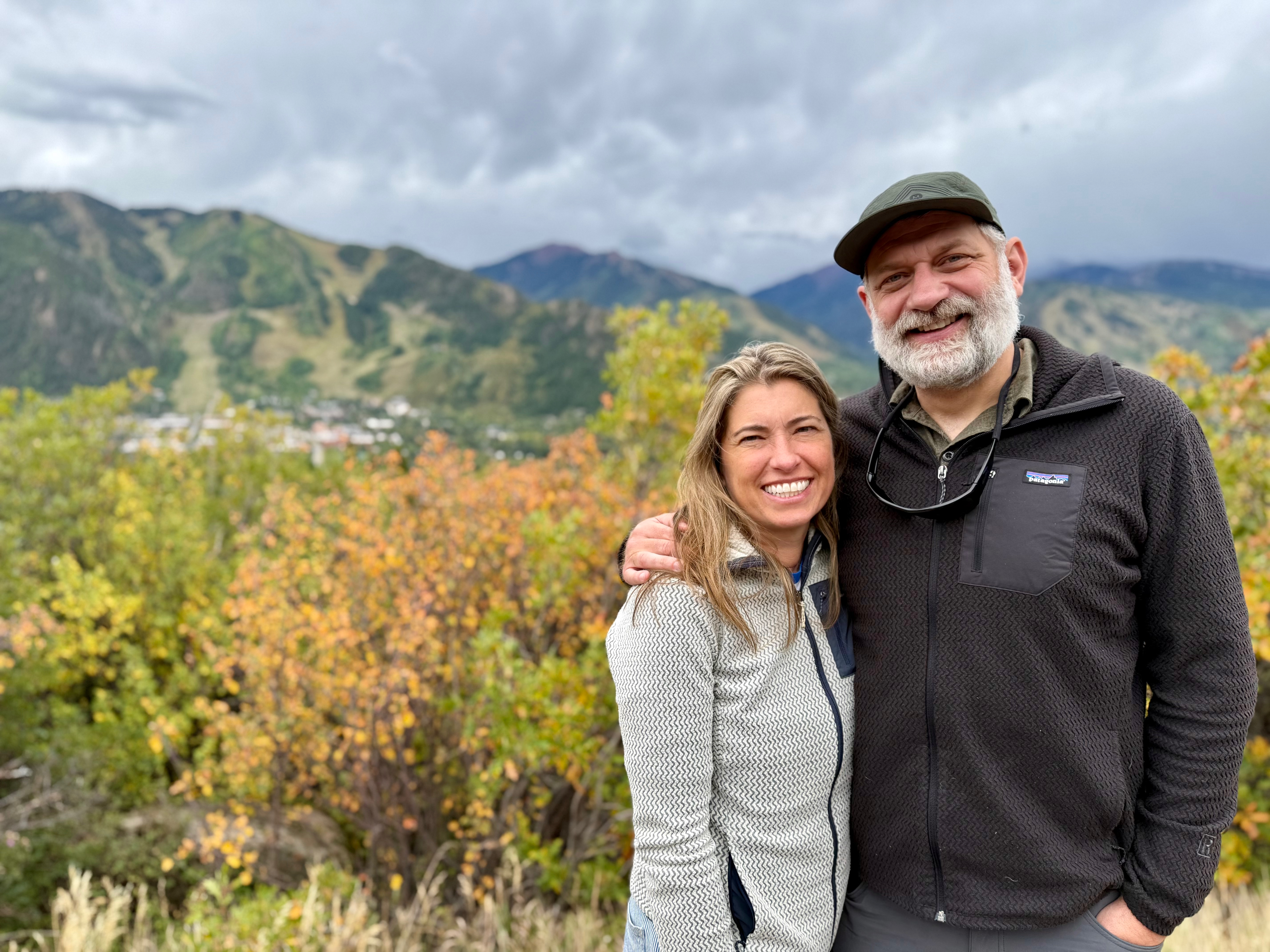
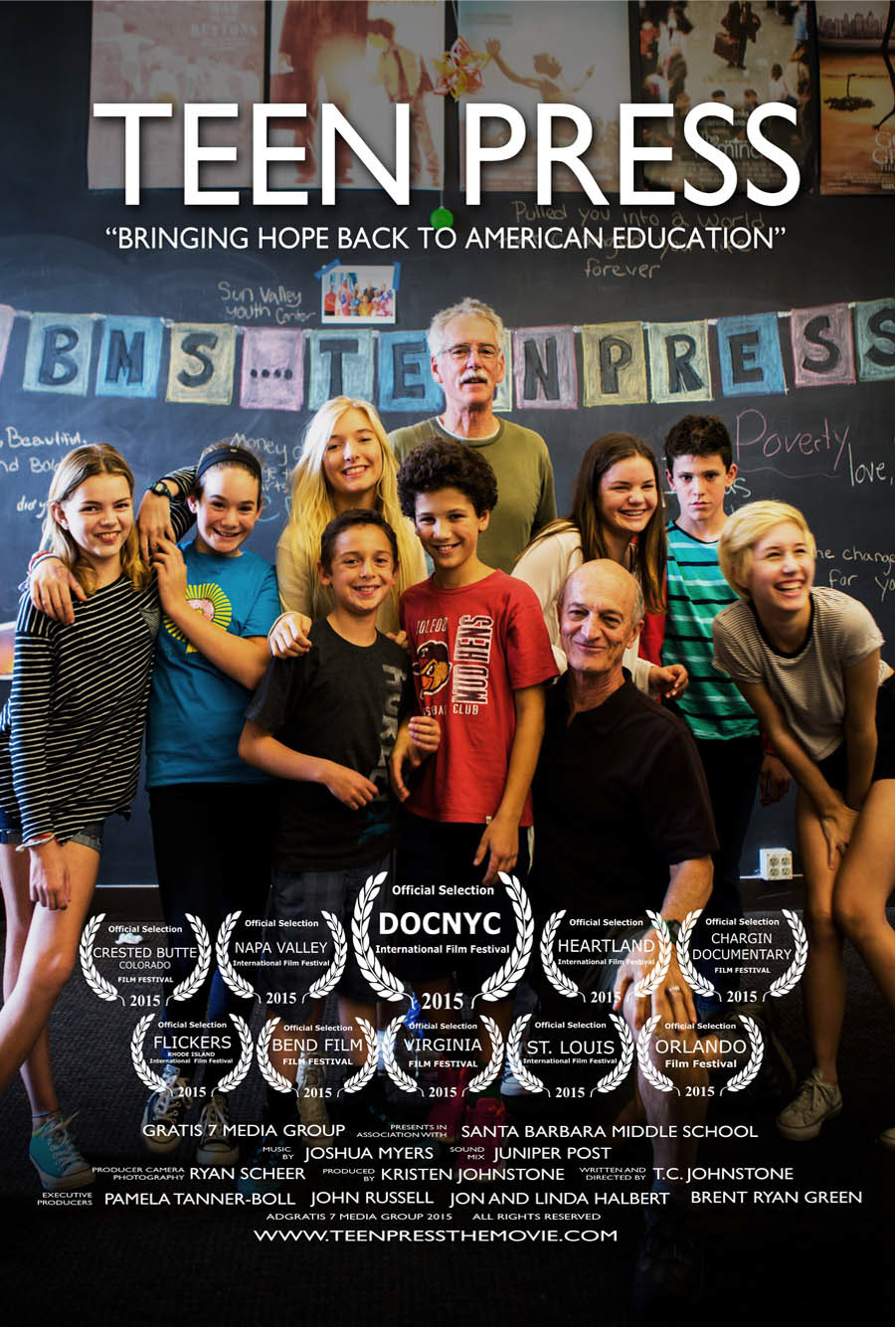
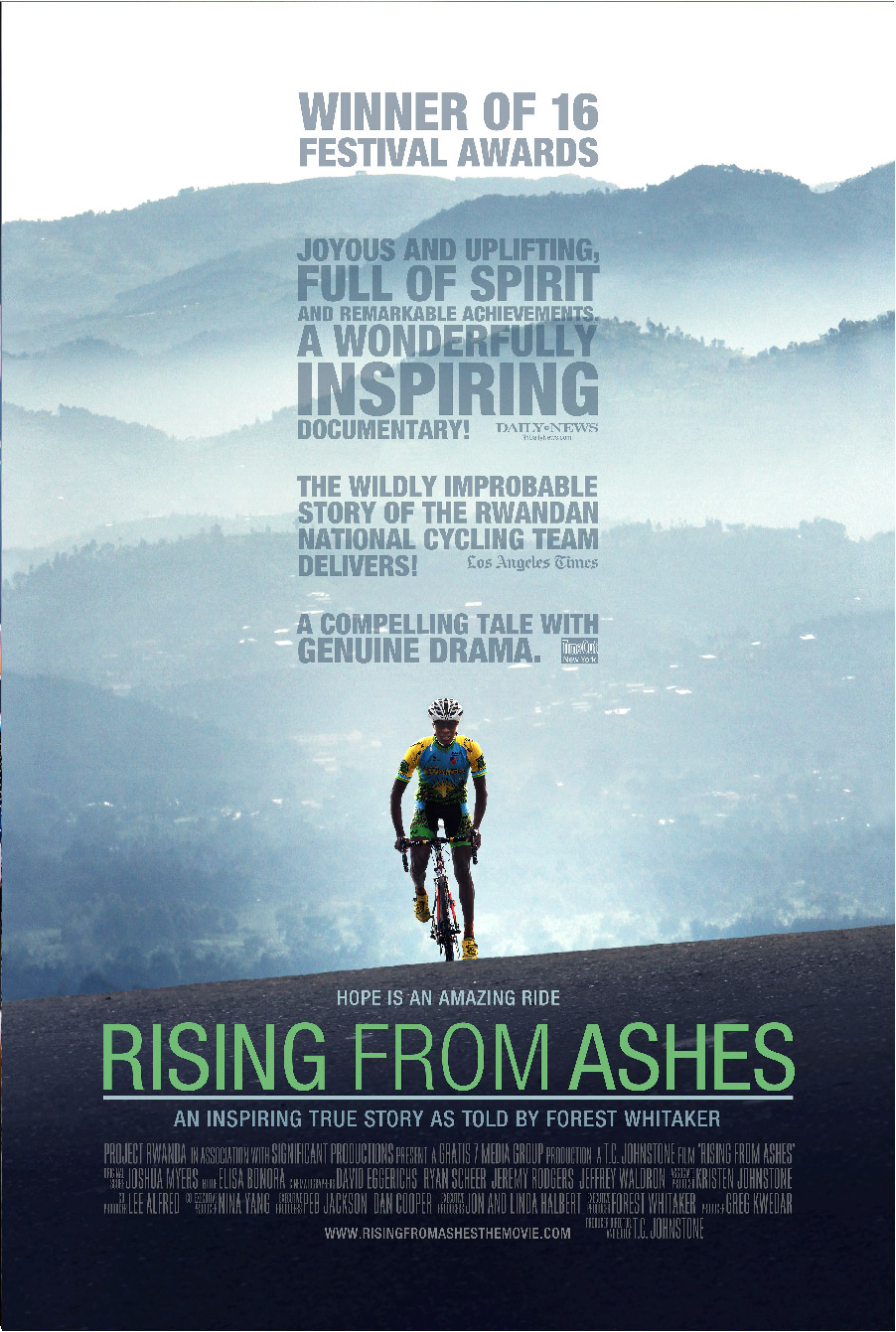
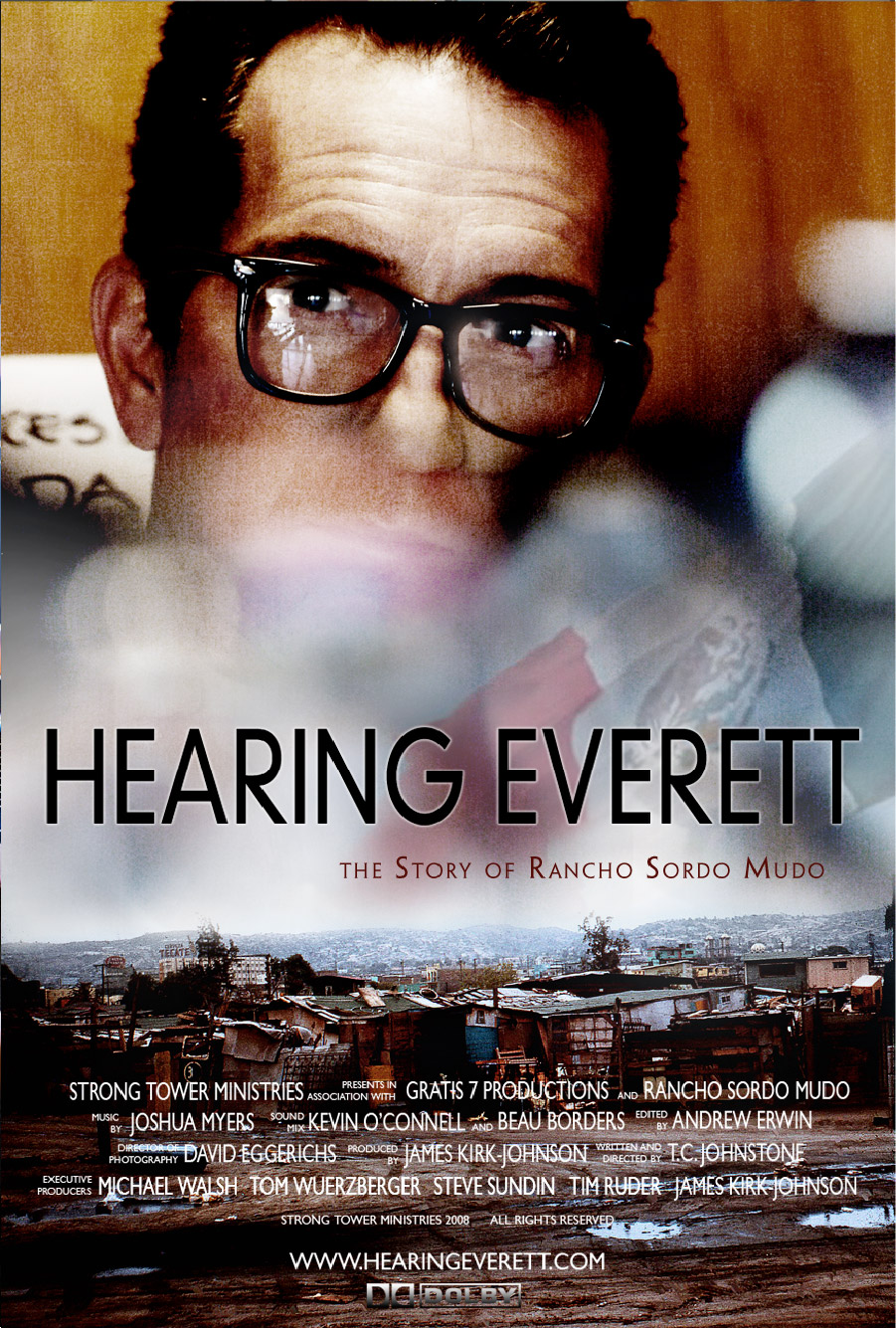
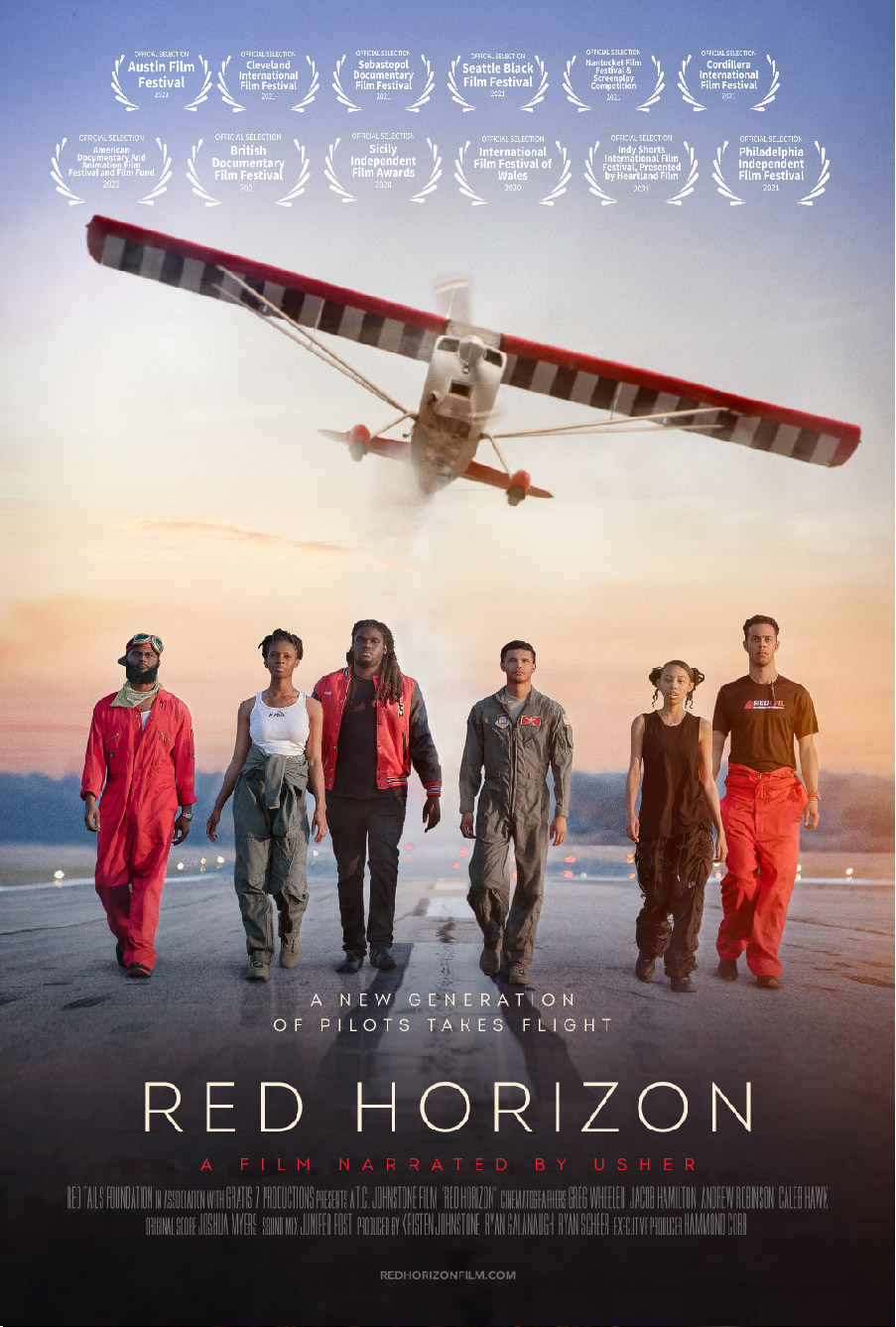
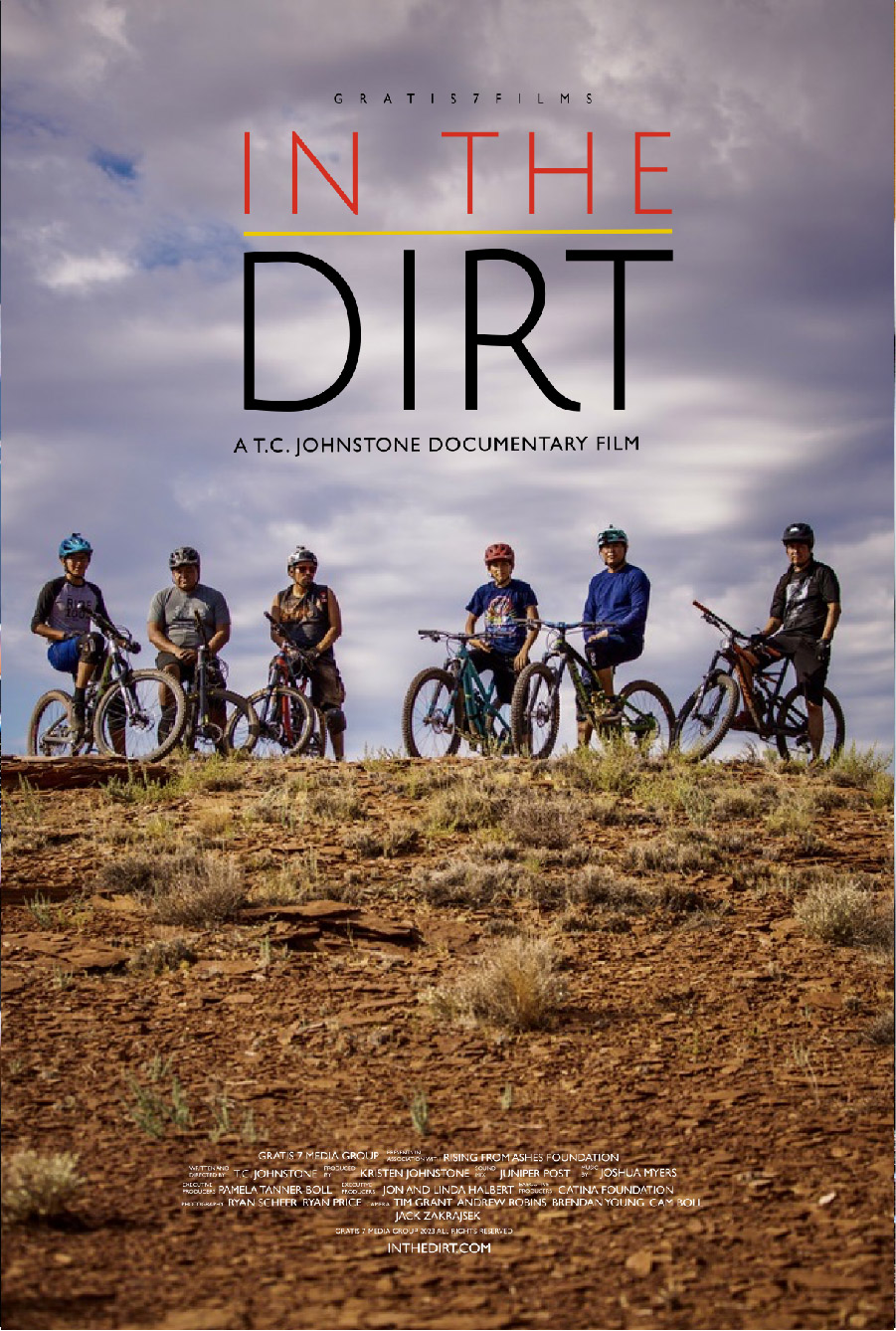
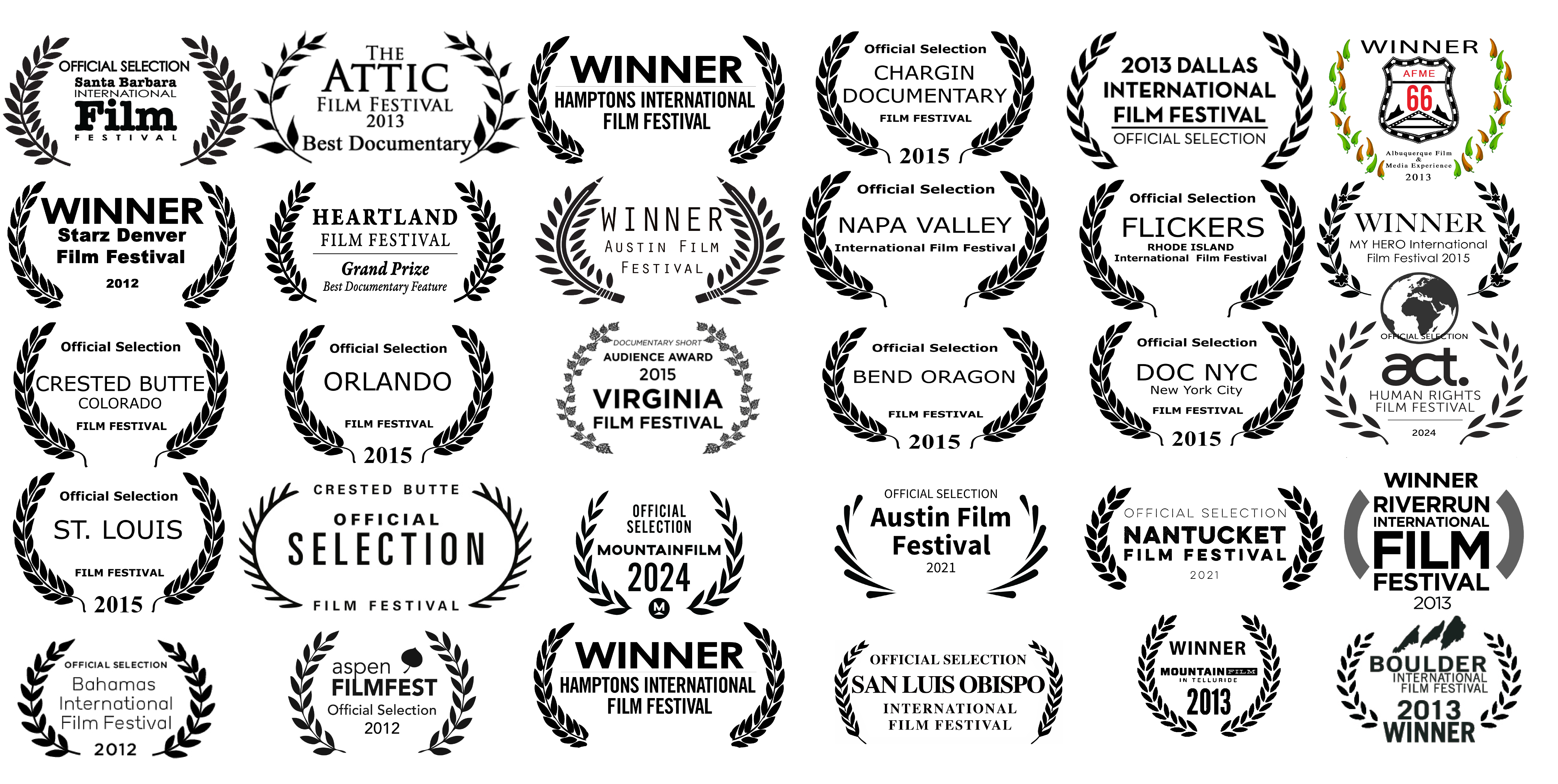
For 25 years, Gratis 7 Films has produced award-winning documentaries that have reached global audiences, mobilized thousands, and raised millions for nonprofits and organizations. Now, their focused on equipping documentary filmmakers and organizations to do the same thing.
T.C. and Kristen Johnstone have been married for 19 years and have known each other for over 30. T.C. began making documentary films 25 years ago. Kristen is a nurse by training and, as she likes to say, “a documentary producer by marriage.”
Together, they have produced multiple award-winning documentary films and founded the Gratis 7 Media Group Foundation, which creates films and content designed to drive measurable change. T.C. and Kristen live in Boulder, Colorado.
Their foundation has raised over $3M in funding for impact films through the DFS system.
Please don't hesitate to call or email with any questions: [email protected] or call 805.252.8966.